While the lack of insightful appraisals was a significant letdown, the physical experience of the Antiques Roadshow event also presented unexpected challenges.
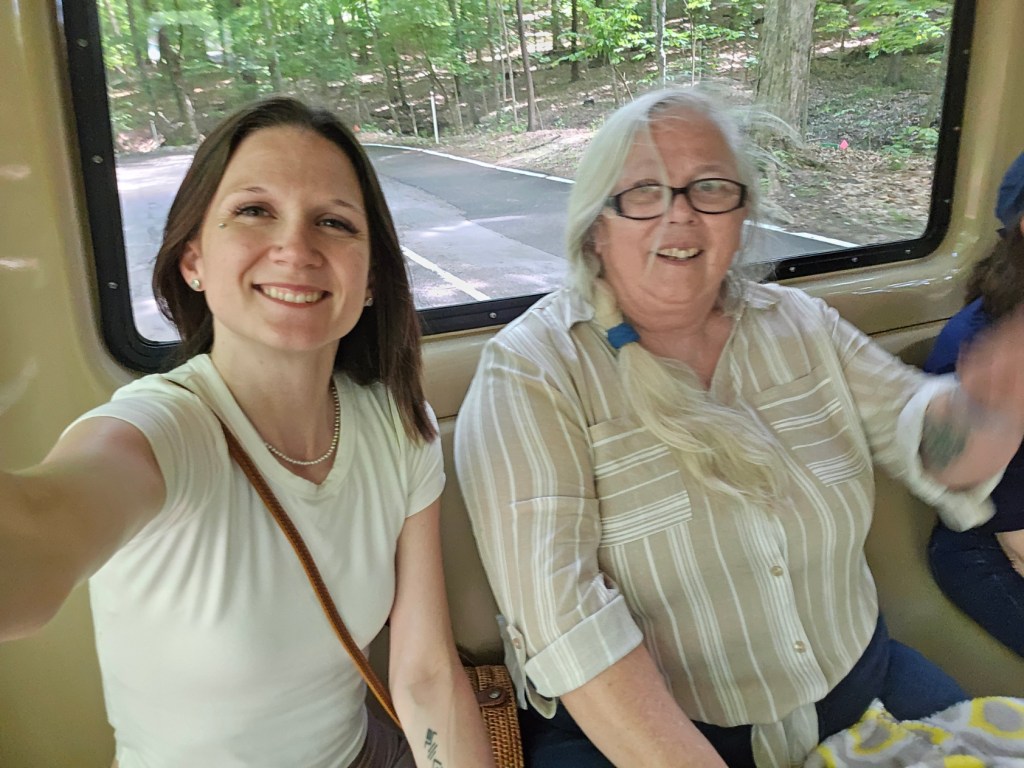
Perhaps the true treasures weren’t hidden in forgotten heirlooms but in the unexpected lessons and connections made along the way.
From TV Screen to St. Louis: The Antiques Roadshow Allure
The allure of Antiques Roadshow is undeniable. For years, viewers have been captivated by the possibility of turning a forgotten attic treasure into a valuable piece of history, all revealed with the expert eye and often surprising valuations on the beloved PBS show. Inspired by this very premise, and with a genuine interest in antiques myself, I was thrilled when the Roadshow announced its stop in my city, St. Louis, MO, this spring. In the weeks leading up to the event, I embarked on my own mini ‘Antiques Roadshow’ journey, diligently visiting local antique stores, chatting with knowledgeable shop owners, and actively searching for that one unique item that might just hold a fascinating story and perhaps even a bit of unexpected worth. My primary tools in this quest? My smartphone and the readily available technology at my fingertips – Google Lens and the Antique ID app (a pro subscription I invested in at $3.99/week). My phone is still filled with photos from this treasure hunt. So, when I managed to snag two coveted tickets through the event’s sweepstakes, with my mom – a fellow enthusiast with some interesting pieces of her own – in tow, I felt like we were one step closer to experiencing the magic firsthand.
Securing tickets to the Antiques Roadshow felt like winning a small lottery. The sweepstakes format created a buzz of anticipation, and when the email arrived confirming our win – two tickets! – the excitement in our household was palpable. Each ticket allowed for two items to be appraised, and immediately my mind went to a piece with significant family history: a Winchester .22 pump-action rifle. This wasn’t just any old gun; it had been purchased brand new in 1911 by my son’s great-great-grandfather and passed down through the generations. I envisioned the stories it could tell, the history it had witnessed. It felt like the perfect item to bring.
However, our arrival at the event brought an immediate disappointment. At the gate, all firearms were subject to inspection, and my son’s cherished rifle was deemed ineligible for appraisal due to a strict rule: only firearms manufactured before 1906 were being assessed. This felt like a significant blow. This wasn’t some modern weapon; it was a piece of early 20th-century Americana with a rich family narrative. Suddenly, my hopes of sharing its story and perhaps even getting a glimpse of its value on national television vanished.
Interestingly, the staff member at the gate who had to deliver the news about the firearm approached me a few minutes later as I waited in the first line of the day. He wanted to make sure I understood that his inability to allow the rifle into the event didn’t reflect its potential value. He commented on its amazing condition and seemed genuinely impressed by the piece, almost apologetic for having to turn it away. It was a small but thoughtful gesture that, while not changing the outcome, was certainly appreciated.
My “Expert” Appraisal: Google Lens and a Disappointing Reality
With my son’s rifle out of the running, we turned our attention to the three items my mother had brought. The most intriguing, in my opinion, was a rather nice oil painting. It wasn’t a grand masterpiece, but it had a certain charm and had hung on the wall of my grandmother’s house for my mom’s entire life, imbuing it with sentimental value and a layer of family history. Adding to its potential interest was a clear and well-preserved signature on the canvas, and the fact that it was affixed to its frame with nails, not modern staples – a small detail that hinted at its age. My mom had always wondered about its origins and possible worth, and we were both eager to hear what the Antiques Roadshow experts might have to say. After all, the show has built its reputation on uncovering the hidden stories and values behind such pieces.

As we waited in the seemingly endless lines, I couldn’t help but overhear snippets of conversations from other attendees, many of whom also expressed disappointment with their initial appraisals. It seemed we weren’t alone in our high hopes. Finally, we reached the first appraisal table. We presented the oil painting, pointing out the signature and the way it was framed. The expert took a cursory glance, flipped it over, and then, to my surprise, reached for their smartphone. What followed felt strangely anticlimactic: they performed a quick search using Google Lens. This was the exact same tool I had been using for weeks in my own antique store explorations! The result? Absolutely no information. No insights into the artist, the period, or even a ballpark value. The expert simply shrugged and directed us to another appraisal area, suggesting it might be ‘decorative.’
It felt less like an expert appraisal and more like a live, in-person Google image search.
The Roadshow Grind: Endless Lines and Unmet Expectations
While the lack of insightful appraisals was a significant letdown, the physical experience of the Antiques Roadshow event also presented unexpected challenges, particularly for my mom, who doesn’t get around very easily. Knowing this, we had the foresight to bring a lightweight lawn chair, thinking that there would be opportunities for her to rest between appraisals. However, upon entering the venue, it quickly became apparent that seating was a scarce commodity. In fact, throughout the entire four hours we spent at the event, there was absolutely no designated area to sit down. Our trusty lawn chair ended up being just another item we had to lug around through the crowded venue.
The entire day seemed to be structured around waiting in a series of lines. We encountered a total of four different queues, each moving at what could only be described as a glacial pace. My best estimate is that we progressed about a foot every minute. This constant, slow shuffle felt like being on a very slow-moving assembly line. While the lines were consistently moving, preventing any real standstill, the lack of opportunities to sit down made the experience quite tiring, especially for my mom. What we had envisioned as an exciting exploration of antiques turned into a four-hour endurance test of standing and slowly inching forward. The energy and enthusiasm I had arrived with slowly drained away with each step in the seemingly endless queues.
Public Funding Under Fire: Is Antiques Roadshow Worth Your Tax Dollars?
Now, I understand the arguments in favor of public broadcasting. Some view it as a vital source of educational and cultural content, free from the pressures of commercial interests. Antiques Roadshow, in particular, is often lauded for its historical insights and the way it connects everyday objects to broader narratives. However, my recent experience left me feeling that the ‘expertise’ presented on the show might be somewhat overstated, or at least, easily replicated with readily available technology. If the live appraisal process largely mirrors what I can do at home with a smartphone, it raises questions about the unique value proposition that justifies public funding.
Reflecting on my Antiques Roadshow experience, particularly the stark contrast between the perceived expertise on the television show and the reality of what felt like a glorified Google Lens session at the live event, I can’t help but consider the ongoing debate surrounding government funding for public broadcasting. As discussions about budget cuts and the allocation of taxpayer money continue, I find myself questioning whether my tax dollars should be directed toward the production of shows like Antiques Roadshow.
In a climate where every government expenditure is being scrutinized, it seems prudent to evaluate whether taxpayer money is best used to fund entertainment programming, even if it carries an educational element. Perhaps the production of Antiques Roadshow and similar shows could be supported through alternative means, such as private funding, sponsorships, or subscription models, freeing up public funds for other priorities. While many enjoy the show, my recent firsthand experience has led me to believe that its value, at least in the live event format, may not align with the continued use of public tax dollars.
Beyond the Hype: What I Really Learned at the Antiques Roadshow Event
My day at the Antiques Roadshow in St. Louis was certainly a memorable one, though perhaps not for the reasons I had initially hoped. The anticipation of uncovering a hidden treasure, fueled by years of watching the television show, ultimately gave way to a more grounded, and somewhat less glamorous, reality. While the opportunity to spend the day with my mom was valuable, the core experience of having our antiques appraised felt underwhelming, especially given the reliance on technology that is readily available to anyone.
The stark contrast between the seemingly deep expertise showcased on TV and the reality of the live event, coupled with the significant logistical challenges, has prompted me to consider the broader implications of publicly funded entertainment. While Antiques Roadshow undoubtedly brings joy and perhaps some education to many viewers, my firsthand experience raises questions about its unique value and whether it represents the most effective use of taxpayer dollars, particularly when the live experience falls short of the televised promise.
Ultimately, I left the Antiques Roadshow with no newfound treasures and no exciting stories for the cameras. Instead, I gained a new perspective on the process behind the popular show and a renewed appreciation for the readily available resources that can aid in our own antique explorations. While the day with my mom was enjoyable, the quest for expert appraisal felt more like a slow-moving line to a Google search than the insightful experience I had anticipated. Perhaps the real treasures are the connections we make and the lessons we learn, even when they come with a dose of unexpected reality.
 Lived Xperience
Leave a comment